Climate Change
Focus Area

Climate Change

Equipping communities with the knowledge, skills, and resources to adapt to climate change, build resilience, and lead action for a healthier environment.

10,000+
Trees Planted
50+
Communities Reached
15,000+
Lives Impacted
Our Strategy

A focused approach to lasting change.

01

1. Frontline Adaptation: From Vulnerability to Strength

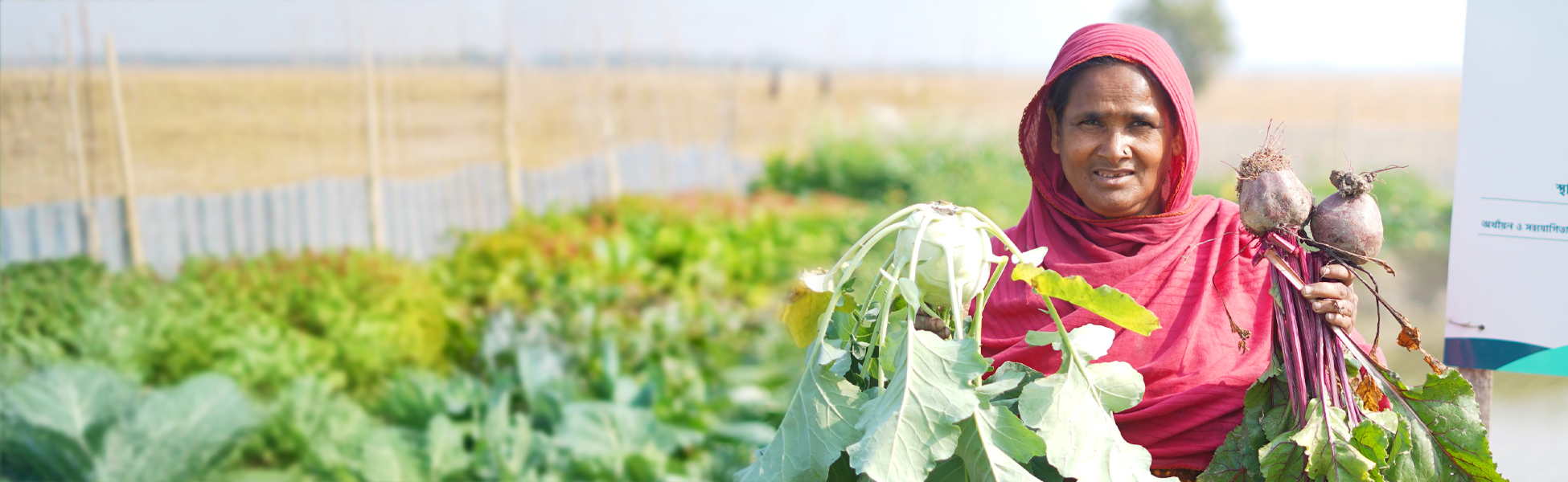
In the coastal belts where rising sea levels threaten homes and harvests, we are building economic fortresses. We transition vulnerable families away from climate-sensitive professions into Climate-Adaptive Livelihoods. Whether it is saline-tolerant farming, crab fattening, or eco-friendly craftsmanship, we equip communities with the tools to earn a living that the river cannot wash away. We are ensuring that families don't just survive the next storm; they have the economic stability to recover and rebuild.

02

2. The Green Innovators: Youth Leading the Way

We believe the solution to the climate crisis lies in the minds of the next generation. Through our youth challenges and innovation incubators, we are funding and mentoring young "Green Entrepreneurs." These are young people designing local solutions, from waste management systems to renewable energy prototypes, that solve community problems while generating income. We are fostering a Green Economy built by youth, for youth.

03

3. The Health-Environment Nexus: WASH for All

A healthy environment is the foundation of a healthy life. Our work deeply integrates Water, Sanitation, and Hygiene (WASH) into our climate strategy. In disaster-prone areas, safe water and hygiene are often the first casualties. We implement robust hand hygiene campaigns and build resilient sanitation infrastructure to prevent disease outbreaks. By connecting public health with environmental stewardship, we protect communities from the "silent disasters" of contamination and disease.

04

4. Data-Driven Action & Global Advocacy

Effective climate action requires evidence, not just emotion. We conduct rigorous Climate Needs Assessments to understand the specific vulnerabilities of different regions. This data-driven approach ensures our interventions are precise and impactful. Furthermore, we amplify the voices of Bangladeshi youth on global platforms, connecting local realities to international policy. We are ensuring that the people most affected by climate change are the ones shaping the global conversation.

Partner With Us to Create Change

For Individuals

Support climate resilience projects, reforestation drives, and environmental advocacy.

For Corporate & Institutional Partners

Invest in scalable, audited, and high-impact community climate resilience.
On The Ground

Active Projects

View all →
Featured SHIELD - Strengthening Hope, Integrated Emergency Leadership, and Disaster Preparedness
active

SHIELD - Strengthening Hope, Integrated Emergency Leadership, and Disaster Preparedness

Objective To enhance disaster resilience and climate change adaptation in coastal communities of Bangladesh by strengthening local leadership, school-based preparedness, and sustainable livelihoods, ensuring that vulnerable populations are equipped to respond to and recover from climate-induced disasters. Project Summary The SHIELD project, implemented by JAAGO Foundation Trust in the Khulna and Bagerhat districts, is a comprehensive initiative designed to address the increasing climate vulnerabilities of coastal Bangladesh. As a region frequently impacted by cyclones, tidal surges, and salinity intrusion, there is a critical need for integrated disaster risk reduction (DRR) and climate change adaptation (CCA) strategies. At the heart of this project is the belief that building community resilience requires a multi-layered approach that empowers children, school authorities, and local government representatives to lead emergency response and preparedness efforts. The project will target over 1,910 direct participants and reach approximately 20,600 indirect beneficiaries through a series of structured interventions. A significant component of the program focuses on school-based DRR, engaging 1,200 children and 180 school authorities to create safer learning environments and foster a culture of preparedness from a young age. These groups will be trained to identify risks and implement safety protocols, ensuring that schools serve as resilient hubs during emergencies. Additionally, the project will strengthen local governance by training 40 local government representatives to integrate climate-smart planning into their administrative frameworks. One of the central components of this initiative is the mobilization of Community-Based DRR Committees (CBDRRC) and Community-Based Emergency Response Teams (CBERT). By training 80 dedicated emergency responders and 60 committee members, the project establishes a grassroots frontline capable of rapid mobilization during disasters. Furthermore, SHIELD promotes economic resilience by supporting 350 women and youth in climate-smart livelihoods. These participants will receive training in adaptive agricultural practices and alternative income-generating activities to mitigate the economic impact of climate change. By diversifying livelihoods, the project helps families build the financial buffer necessary to recover quickly from environmental shocks. The overarching goal of the SHIELD project is to bridge the gap between national climate policies and grassroots implementation in the coastal belt. By fostering local leadership and ensuring that marginalized voices—particularly women and youth—are at the forefront of disaster management, the project ensures that community response is both inclusive and sustainable. Furthermore, this project will help build an environment where local institutions not only manage crises but also influence long-term climate adaptation strategies. Ultimately, the SHIELD project will build a stronger, more resilient future for the communities of Khulna and Bagerhat, where local leaders and citizens are active contributors to the nation’s climate security.

Read project →
Active NOBODOY: "Building Climate Resilience and Sustainable Livelihoods for Coastal Women and Youth"

NOBODOY: "Building Climate Resilience and Sustainable Livelihoods for Coastal Women and Youth"

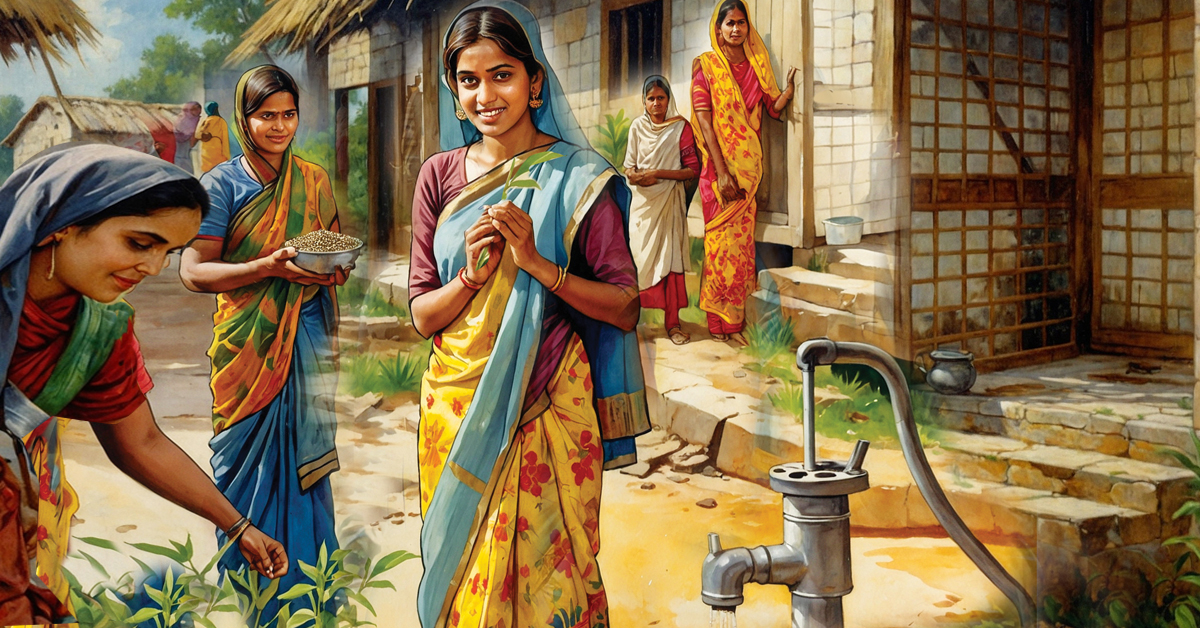
Project Objectives The goal of the project is to enhance climate resilience and economic empowerment of women and youth in the coastal regions through climate-smart agriculture, homestead nutrition gardening, and alternative livelihoods. Objective 1: Improve knowledge, skills and practices, integrating climate feminism in climate-smart agriculture and homestead gardening for women and youth. Objective 2: Enhance community capacity, engagement and advocacy for climate adaptation and mitigation. Project Summary: The project focuses on climate feminism with the aim to create resilience and economic empowerment among the women and youth in the coastal regions, particularly in vulnerable communities most affected by climate change. The climate feminism approach of the project emphasizes the interconnectedness of gender equality and environmental sustainability, recognizing that women, girls, and gender-diverse individuals are disproportionately affected by climate change. The goal of the project is to enhance climate resilience and economic empowerment of women and youth in the coastal regions through climate-smart agriculture, homestead nutrition gardening, and alternative livelihoods. Through a multi-faceted approach combining capacity building, sustainable practices, and advocacy, the project addresses the critical need for climate-smart agriculture, alternative livelihoods, and community engagement. As per the report of UNWomen (2023), by 2050, climate change may push up to 158 million more women and girls into poverty and see 236 million more face food insecurity. Despite being a minimal contributor to global climate change, Bangladesh is disproportionately affected by its consequences. Khulna City, located in the coastal belt of Bangladesh, is one of the most vulnerable areas to climate change. The coastal region of Khulna, in particular, struggles with the ravages of climate change, including heavy rains and flash floods, and their devastating impacts threaten the very fabric of life, including agriculture, homestead gardens, and household usage, forcing the poorest people, including women and girls, to struggle for survival. Rivers near Khulna city have already been affected by salinity intrusion. In the last 35 years, salinity increased by around 26 per cent in the country. The saline-prone coastal region had a drastic yield loss, i.e. approximately an average 20-40% in major crops. Women in Bangladesh are often the most affected by climate change due to existing gender inequalities. To address these challenges, an alternative livelihood project is proposed, focusing on climate-smart agriculture, improved cooking stoves, and climate education to empower the women and girls in the community. This approach advocates for their inclusion in decision-making processes and policy development related to climate action. Key Components of the Project: Climate-Smart Agriculture and Homestead Gardening The project will empower women and youth in climate-smart agricultural practices, including homestead nutrition gardening (150 women) and innovative farming techniques such as watermelon cultivation (113 women and 112 men). 9 master trainers will also be developed who will provide micro level training to approx. 270 households. In addition, 9 model farms will be developed which will work as the demonstration of best practices of climate-smart homestead gardening, as well as will work as hands-on training sites. These activities aim to improve food security, sustainable agricultural practices, and climate adaptation at the community level. A baseline and endline survey will be conducted to measure the impact of the project. In addition, 3 market linkage initiatives will be taken which will enable the participants to actively participate in income generating activities, where they will be able to sell their products from their homestead gardens which will economically empower them and bring sustainable Changes. Alternative Livelihoods Development 90 women and girls will be trained in handicraft production, enabling them to diversify income sources. Market linkage fairs will create opportunities for participants to connect with buyers and suppliers, ensuring that their products and produce can reach broader markets. The distribution of Improved Cooking Stoves (ICS) will further support environmentally friendly and sustainable living practices. Community Engagement and Advocacy Climate education initiatives in the 18 schools in the target location will foster awareness and resilience among adolescents and youth, preparing the next generation to address climate challenges. Advocacy events at the district and national levels will bring together stakeholders, policymakers, and community representatives to share knowledge and informed and evidence based decision-making policies on climate adaptation and mitigation.

Read project →
Active Rising Hope: Flood Recovery and Resilience Project

Rising Hope: Flood Recovery and Resilience Project

Project Location Bangladesh, Chattogram Division, Feni District, Chhagalnaiya Upazila Project Summary The Rising Hope: Flood Recovery and Resilience Project is designed to rebuild livelihoods, enhance public health infrastructure, and strengthen disaster resilience in flood-affected communities of Chhagalnaiya, Feni District, Bangladesh. The project will directly benefit 26,910 individuals, with an additional 25,000 people impacted through community-wide interventions. To restore economic stability, 1,500 farmers and fishers will receive essential agricultural inputs and financial support, enabling them to resume their livelihoods. Public health and hygiene will be improved by installing or repairing 15 deep tube wells, constructing 15 hygienic latrines, and repairing 50 community washrooms. Additionally, 5,000 families will receive hygiene kits, while 15 mobile medical camps will provide essential healthcare and psychosocial support to 3,150 individuals. To ensure uninterrupted education, 5,000 students will receive learning materials, and 12 schools will be rehabilitated, creating a safe learning environment. Female students will benefit from 20 Girls’ Corners, which will provide access to menstrual hygiene products and awareness sessions. A certified emergency response team, trained in collaboration with the Fire Brigade, will enhance local capacity to mitigate future disasters. By integrating economic recovery, improved healthcare, and disaster preparedness, this initiative fosters long-term resilience, equipping communities with the infrastructure, skills, and resources to withstand future crises effectively Project Objectives Restored livelihoods for flood-affected farmers and fishers by providing essential agricultural inputs, tools, and financial support, enabling them to resume their agricultural and fishing activities. Improved access to safe drinking water and improved sanitation for affected families through the establishment and repair of deep tube wells and the construction of latrines Provided timely emergency health services through mobile medical units and offered psychosocial support to individuals, volunteers, and staff, contributing to improved physical and mental well-being. Supported the continuity of education for flood-affected students by distributing essential educational materials and repairing damaged schools, facilitating a quick return to learning. Expected Outcomes Economic Stability Through targeted interventions, 1,500 farmers and fishers will restore their livelihoods, ensuring stable income sources and enhancing food security for their families. This initiative will promote long-term economic resilience within the community. Improved Public Health & Hygiene Access to safe drinking water and sanitation will be provided to 1,700 families, significantly reducing the prevalence of waterborne diseases. Additionally, 5,000 individuals will receive hygiene kits and benefit from WASH awareness campaigns, fostering sustainable hygiene practices within the community. Enhanced Healthcare Access Fifteen mobile medical camps will deliver essential healthcare services to 3,150 individuals, ensuring timely medical assistance and mental health support. To improve hygiene standards for female students, 20 Girls’ Corners will be established in local schools, benefiting 5,000 girls with access to sanitary napkins and awareness sessions on menstrual health. Sustained Education Educational continuity will be ensured for 5,000 students, preventing prolonged disruptions in learning. Additionally, 12 schools will be rehabilitated, creating a safe and conducive learning environment for students and teachers alike. Comprehensive Emergency Response Training A dedicated emergency disaster response team will be established and trained through a certified program led by the Fire Brigade. This initiative will strengthen local capacity to respond effectively to future emergencies, reducing vulnerabilities in disaster-prone areas. Strengthened Community Resilience By enhancing infrastructure, diversifying livelihood opportunities, and equipping communities with essential disaster preparedness skills, this initiative will build long-term resilience against future disasters. The program will empower local populations with the knowledge and resources necessary to mitigate risks and recover more efficiently from crises. This comprehensive recovery approach will directly benefit 26,910 individuals, while an estimated 25,000 additional people will benefit from the project’s community-wide interventions

Read project →